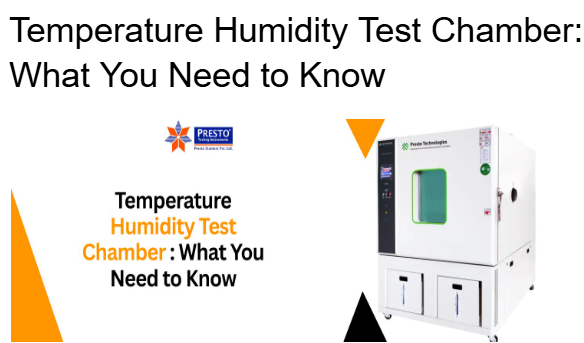
When it comes to ensuring the quality, durability, and performance of your products, understanding their resistance to different environmental conditions is crucial. This is where a temperature humidity test chamber comes into play. Whether you’re designing electronic components, automotive parts, pharmaceuticals, or materials for scientific research, this specialized equipment lets you simulate a range of temperature and humidity conditions under controlled settings. This process helps you identify weaknesses, gauge resistance, and make improvements before your product reaches the market.
Using a temperature humidity test chamber not only helps you identify weaknesses in your products but also guides you toward designing more robust and reliable solutions. This kind of testing allows you to make data-informed decisions, ensuring your products perform as expected in real-world conditions. From extending their lifespan to reducing the likelihood of failures, temperature and humidity testing is a crucial step in delivering high-caliber, trustworthy products that meet industry standards and customer expectations.
What Is a Temperature Humidity Test Chamber?
A temperature humidity test chamber is a sophisticated piece of equipment used to recreate a variety of climate conditions within a contained space. It lets you control both temperature and humidity to perform rigorous stress tests on your products or materials. This kind of testing helps determine their ability to perform under different environments — whether it’s freezing temperatures, high humidity, or a combination of both.
This process is especially crucial for industries that produce components meant for use in challenging conditions. Automotive makers, electronic companies, biotechnology firms, and even packaging companies rely on these chambers to make sure their products can handle whatever stress the real world may bring.
How Does a Temperature Humidity Test Chamber Work?
A temperature-humidity test chamber typically consists of a chamber box, a control panel, heaters, coolers, humidifiers, and sensors. The control panel lets you set your desired temperature and humidity range with high precision. Inside the chamber, heaters raise the temperature, while refrigeration drops it. Meanwhile, a humidifier adds moisture to increase the relative humidity, while a dehumidifier can extract excess moisture if needed.
Some chambers can fluctuate between different temperatures and humidity levels over a set period, allowing for extensive stress testing under changing conditions. This process helps engineers and designers gauge their product’s ability to perform under stress and prevent failures in the field.
Applications of a Temperature Humidity Test Chamber
The applications for a temperature-humidity test chamber are vast. Industries frequently rely on these chambers to validate their products’ robustness. Here are a few key applications:
- Automotive components: Automotive makers need to make sure their components can handle a range of temperatures, from freezing winters to high-heat summers.
- Electronic equipment: Moisture can undermine electronic components’ functionality and cause permanent damage. This testing guarantees their resistance to high humidity and temperature variation.
- Pharmaceutical products: Certain medicines, vaccines, or other pharmaceuticals must remain stable under a range of storage conditions. This kind of testing guarantees their safety and potency.
- Packaging materials: Packaging must be strong and resilient under different climate conditions. This process helps companies identify weaknesses in their packaging materials before they reach their customers.
- Aerospace components: Airplanes and space equipment are frequently exposed to dramatic temperature drops and high humidity. Reliable materials are a matter of safety, and a temperature-humidity test chamber is a key tool for evaluating their resistance.
How It Helps Improve Product Quality
Using a temperature-humidity test chamber during your product’s development process helps identify weaknesses you can address before mass production. This guarantees greater customer satisfaction, loyalty, and confidence in your products. Furthermore, by verifying your product’s resistance to climate stress, you can avoid costly warranty repairs or product recalls down the road.
This kind of rigorous testing lets companies identify potential problems and make appropriate design tweaks, strengthening their products’ resistance to challenging environments. This approach not only saves money but also helps protect their reputation in a fiercely competitive market.
Choosing the Right Chamber for Your Needs
When selecting a temperature and humidity chamber, it’s essential to account for your own industry’s unique requirements. The temperature and humidity chamber price can fluctuate significantly based on its size, range, control precision, and additional features. It’s a worthwhile investment — choosing the right chamber guarantees you’re delivering a reliable, high-caliber product to your customers.
Consider the following when choosing your chamber:
- The range of temperature and humidity you need to recreate
- The size of your test samples
- The rate of change for both temperature and humidity
- The industry standards you must follow
- The control options and data logging you require for your testing process