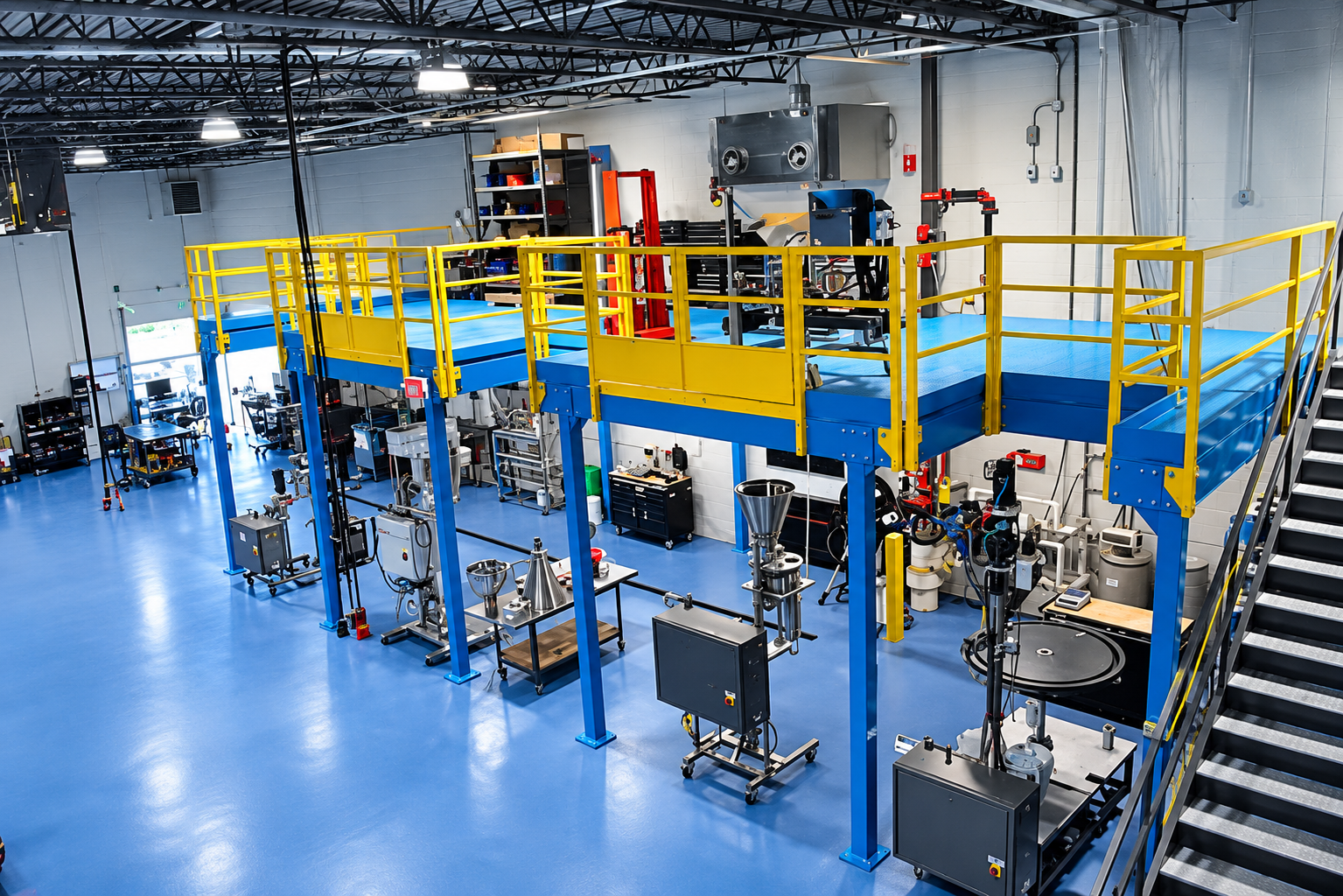
A good production line does more than make packs fast. It keeps work smooth, cuts waste, and helps staff avoid small errors. Yet many firms still struggle to link each step well. A filling machine may work fine on its own, but the full line can slow down if the next task cannot keep pace. Smart design changes this. It brings each stage together, from product feed to final pack checks. The result is a setup that saves time, uses space well, and makes daily work easier to manage.
Choosing The Right Fill Method
Every product has its own needs. Fine flour behaves unlike sugar crystals, and a thick mix needs a different touch from dry grains. This is where powder fillers can make a real difference. They help measure and dispense dry goods into bags, jars, tubs, or pouches. The right model depends on flow, dose size, and how exact each fill must be. Firms should test their own product before making a choice. A short trial can reveal issues that a brochure may never show.
Where Speed Meets Accuracy
Fast output sounds great, until packs start to vary or staff must stop the line to fix faults. A well-planned system balances pace with control. Feed rates, fill cycles, and pack movement must work in step. If one stage runs too fast, product can pile up. If it runs too slowly, the whole line may wait. Simple checks at key points help spot these gaps early. Good planning also leaves room for cleaning, checks, and small changes when a new product comes along.
Making Rotary Systems Work
Some jobs need a steady flow of packs, one after another, with little delay between each fill. Rotary fillers can suit this kind of work, as containers move through set stages around a turning system. This design can support high output when the product, container, and dose fit the machine. But speed is not the only thing to weigh. Staff need safe access, clear controls, and enough room to clean the parts. A good layout keeps the line moving without making daily tasks hard.
Linking Each Stage With Care
A filling machine should not be planned in isolation. The pack feeder, filler, weight check, capper, and label unit all need to work as one system. Before buying new equipment, firms can map the full route and note where delays occur. It helps to ask a few plain questions: where do packs wait, which task needs staff most, and what happens when a fault occurs? Clear answers guide better choices. They can also stop firms from paying for speed they cannot use.
Conclusion
Good line design starts with the product and the people who handle it each day. It should leave room for growth, yet stay simple enough to run with ease. Test runs, staff training, and regular care all matter. A small change in pack size may affect the whole setup, so flexible parts can prove useful. The best system is not always the largest or fastest. It is the one that fits the work, keeps quality steady, and lets the team solve problems before they grow.